Minnesota winters test every piece of mobility equipment. Ice turns a worn cane tip into a skate, slush clogs small walker wheels, road salt eats at metal and brakes, and cold makes plastics brittle. A little preparation in October saves trouble in January.
Canes and crutches
Start with the rubber tips. They should be firm with deep grooves; smooth or cracked tips should be replaced before the first frost. Some people add an ice tip or ice grip attachment for outdoor use, a small claw or studded foot that flips down for ice and up for indoors. If you use one, practise with it on dry ground first, and remember to flip it up before walking on smooth indoor floors, where metal can slip.
Walkers and rollators
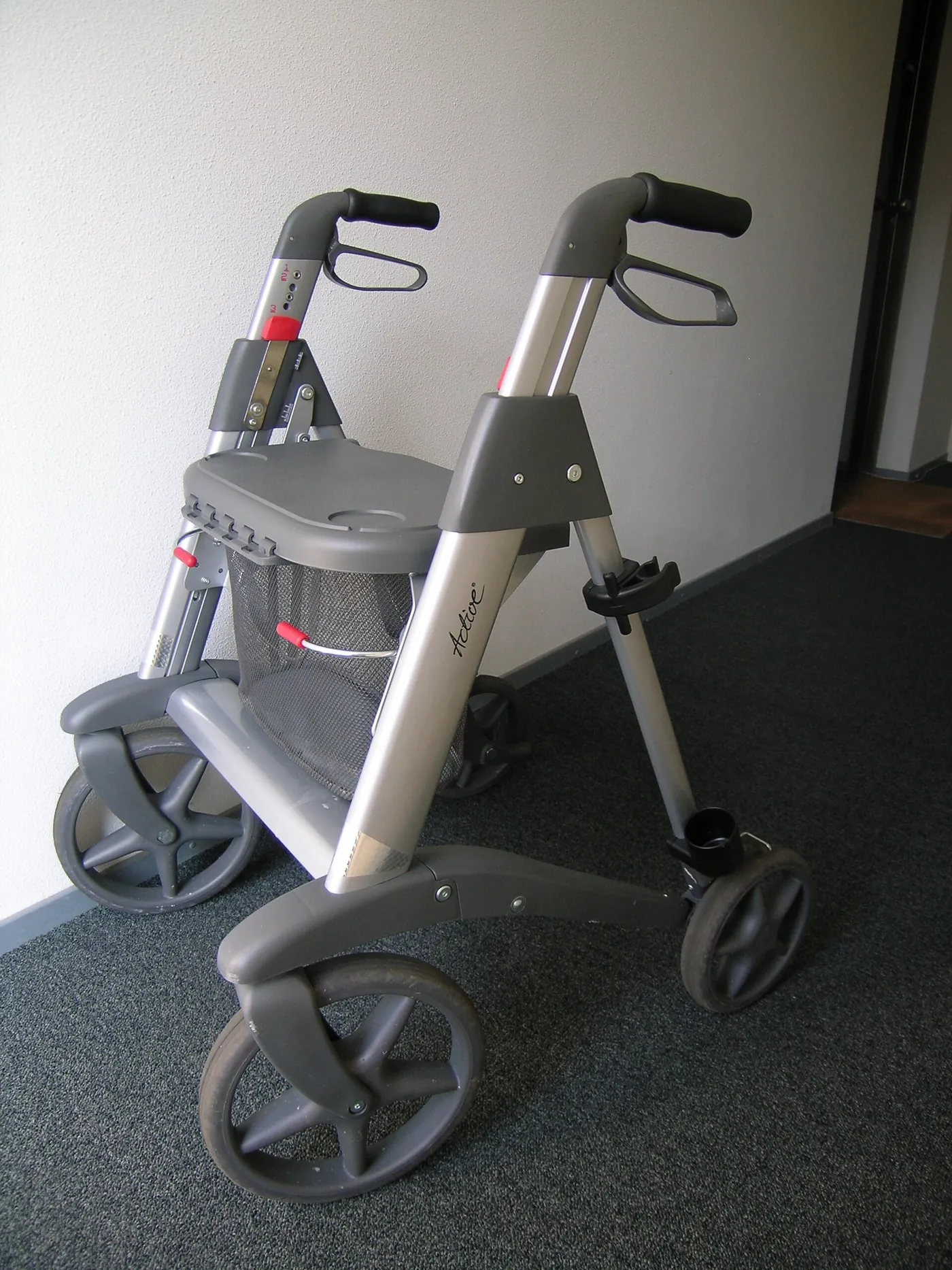
Small wheels and snow do not mix. Plan winter routes that are cleared and gritted, and accept that some trips are easier by car with a drop-off at the door. Check brakes after every few outings in salty slush, because grit and salt wear brake pads and cables quickly. Wipe the frame down and dry it when you come in, folding catches and wheel axles especially.
Wheelchairs
Check tyre pressure on pneumatic tyres, because cold air lowers it. Clean salt from wheels, push rims and frame after outings. Gloves with grippy palms make cold push rims more manageable. Consider a waterproof cover for the cushion and a blanket for the lap: people who sit still outdoors lose heat faster than those walking beside them.
Around the house
- Agree who clears the steps, path and ramp, and keep a bag of grit or ice melt by the door.
- Put a sturdy mat inside the door to catch melting snow, and keep a towel handy to dry wheels and tips.
- Check outdoor lights; it gets dark early.
- Keep a charged phone with you when going out, even briefly.
When to stay in
On the worst days, the safest walk is an indoor one. Our note on indoor walking options around Bloomington has ideas. And if winter makes you feel less steady than usual, mention it to a professional; that is worth knowing about in itself.