When several people help care for someone at home, information scatters quickly: one person has the pharmacy's number, another knows when the next appointment is, nobody can find the hoist instructions. A single, simple binder kept in an agreed place solves a surprising number of these problems. It works on paper or as a shared digital folder; what matters is that everyone knows where it is.
Section 1: contacts
The person's own details, emergency contacts, family members and their roles, the doctor's surgery or clinic, pharmacy, therapists, home care agency if there is one, and equipment suppliers. Include what each contact is for, not just the number.
Section 2: health summary
Keep a current list of medicines exactly as provided by the pharmacy or doctor, known allergies, and any conditions professionals have asked you to be aware of. Do not rewrite instructions in your own words; copy them or keep the printed version. Replace the list whenever anything changes and note the date.
Section 3: appointments
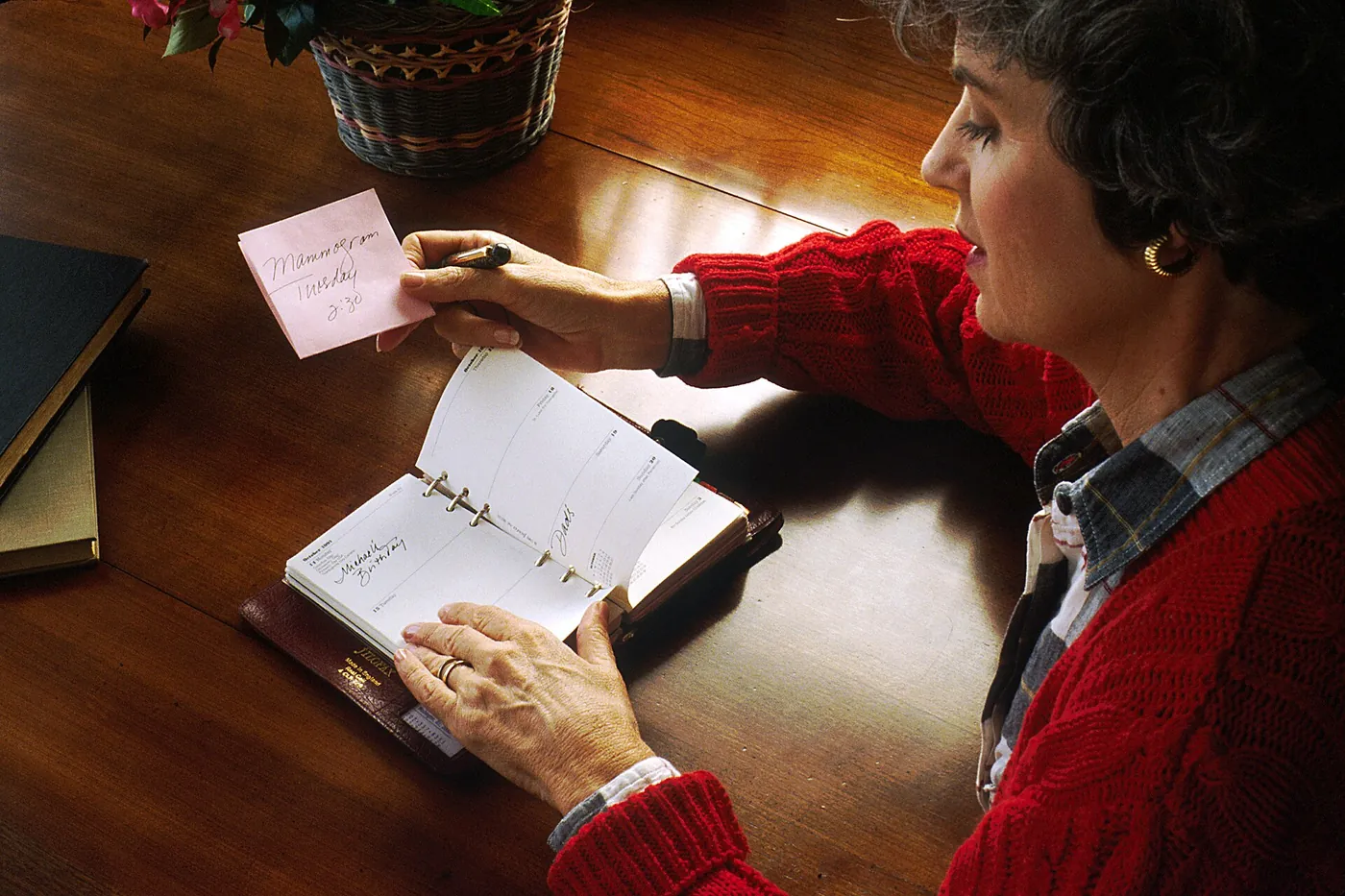
A simple calendar page with upcoming appointments, who is going, and space to write down what was said. Questions to ask at the next visit can go here too.
Section 4: equipment
For each item, keep the manual or a copy, the model and serial number, who supplied it, how to contact them for repairs, and any servicing dates. A photograph of how a piece of equipment should be set up can be clearer than a page of instructions.
Section 5: daily notes
A few lines each day from whoever helped: how the person seemed, what they ate, anything unusual. Over weeks, these notes show patterns that are easy to miss day to day and useful to share with professionals.
Keeping it useful
- Keep it short. A binder nobody reads helps nobody.
- Agree one place where it lives.
- Respect privacy: it contains personal information, so store it sensibly and share it only with people who need it.
- Review it every month and remove out-of-date pages.
For more on organising care, see caregiver basics.