Caregiver basics
Family and friends provide much of the care that happens at home. A little structure makes it more sustainable.
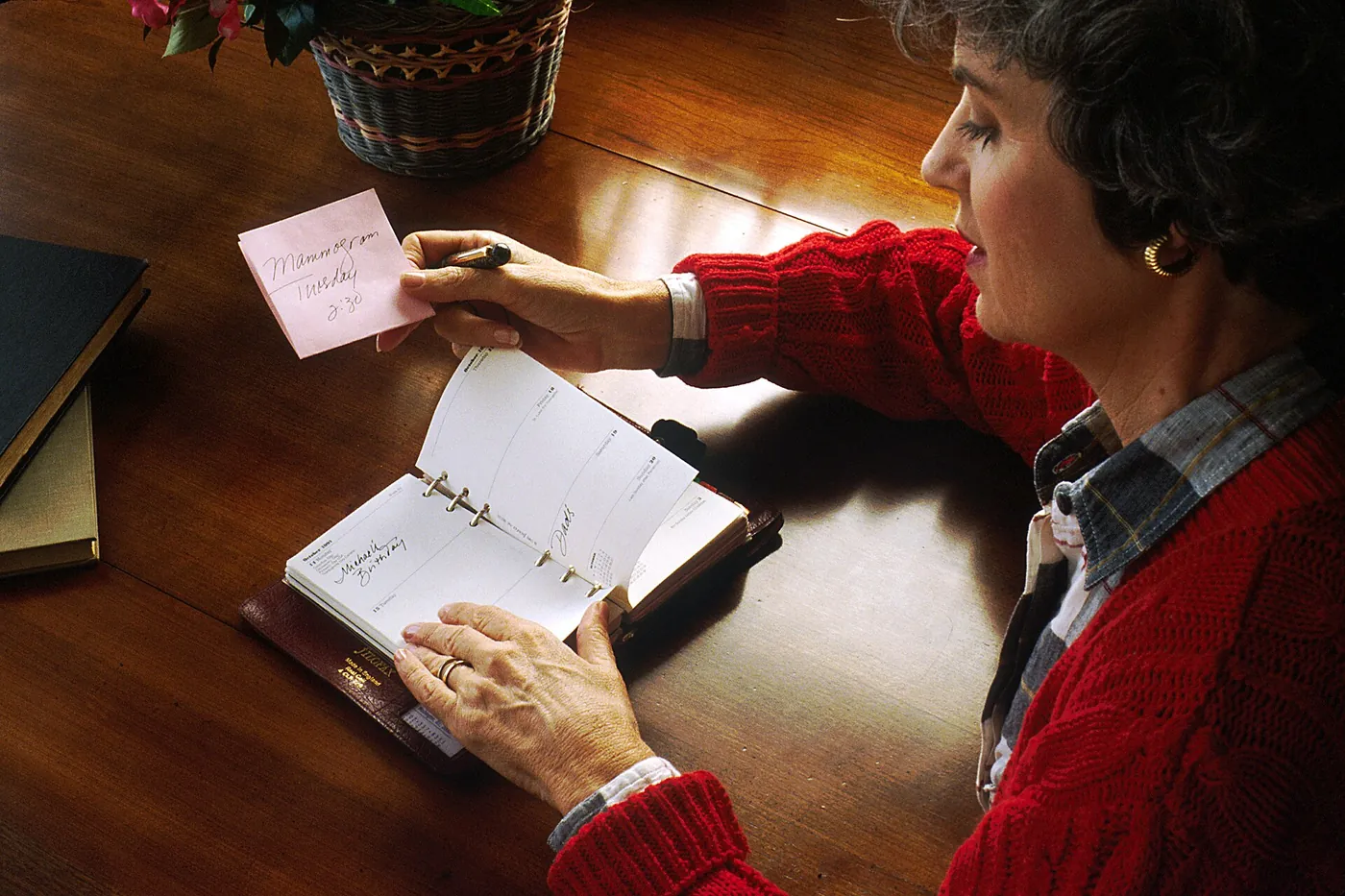
Many people become caregivers gradually: a lift to an appointment, help with shopping, then more. Others are thrown into it overnight after an illness or a fall. Either way, caregiving goes better with a little organisation, honest conversations and attention to the carer's own health. These notes are general and practical; local carer organisations can tell you what support exists where you live.
Start with a conversation
Where possible, ask the person you care for what matters most to them: which tasks they want help with, which they want to keep doing themselves, and how they prefer things to be done. Care that respects these preferences is easier for everyone. Revisit the conversation as needs change.
Keep information in one place
A single folder or binder with contacts, appointments, a current list of medicines as provided by the pharmacy or doctor, allergies and equipment instructions saves time and avoids mistakes, especially when several people help. The note on keeping a simple home care binder suggests a layout.
Share the load
- Make a list of regular tasks and who can do them.
- Accept specific offers of help: a regular meal, an hour's sitting, a weekly shop.
- Ask health professionals what services the person may be entitled to.
- Use a shared calendar or group message for appointments.
Safe handling
Helping someone stand, walk or transfer can injure a carer's back. Ask for training in safe techniques, use equipment designed for the job, and never try to catch someone who is falling; guide them down instead if you can. See transfer aids and lifts.
Your own health
Carers often put their own appointments, sleep and social life last. Over time, that is not sustainable. Breaks, sometimes called respite, are a legitimate part of care, not a luxury. If you feel exhausted, low or overwhelmed, talk to your own doctor, and look for a carers' group, in person or online.
When to ask for more help
Changes such as new confusion, frequent falls, weight loss or difficulty coping with daily tasks are worth raising with a professional promptly. Planning ahead for what would happen if the carer became unwell is also wise.