Preparing the home after a hospital stay
Coming home is a milestone. A few days of preparation make the first weeks safer and calmer.
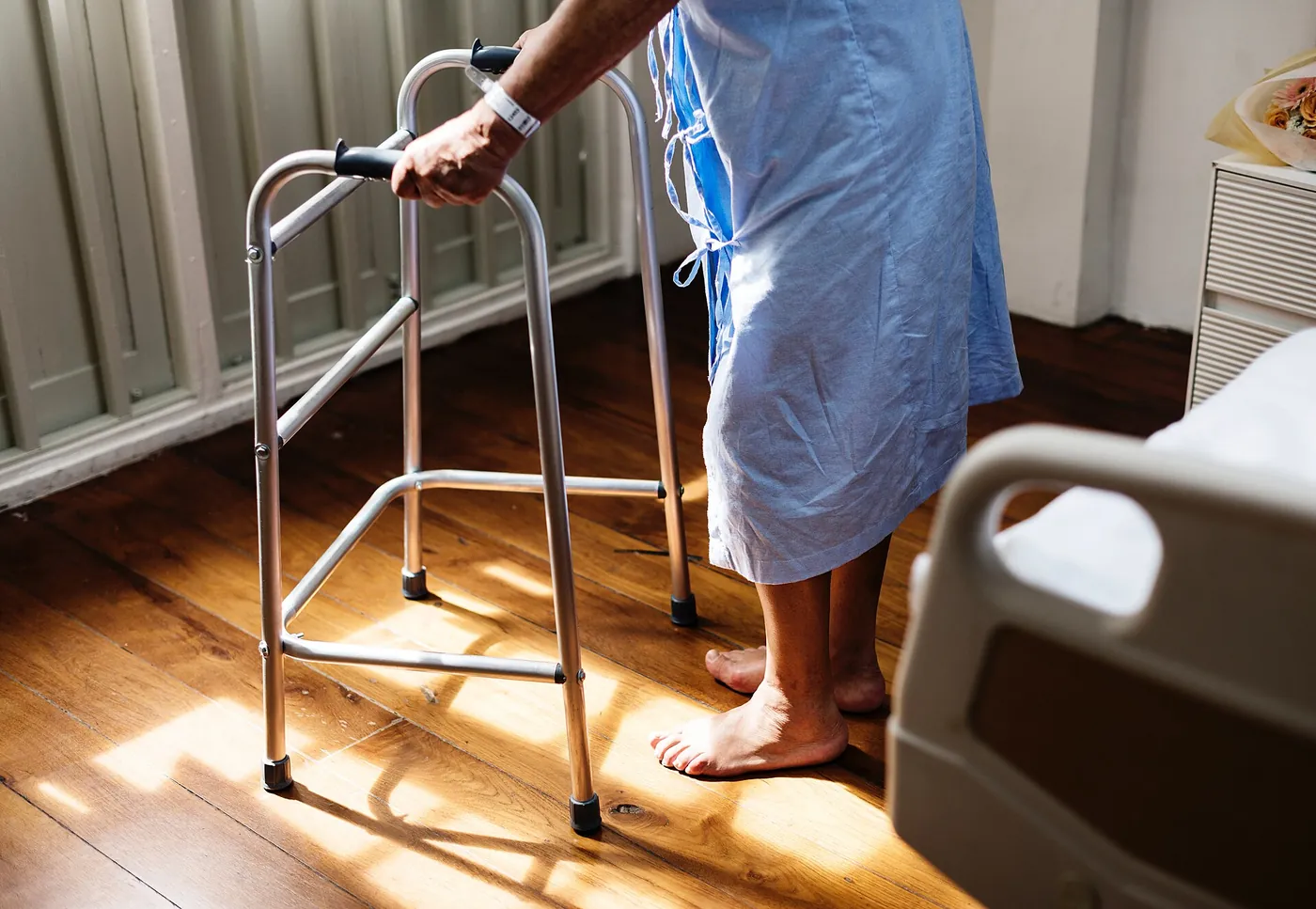
Leaving hospital is welcome, but the first days at home can be harder than expected. Energy is low, movement may be restricted, and the home that worked perfectly before may now have obstacles. Planning ahead, ideally with the hospital team before discharge, makes the transition smoother. The checklist below is general; follow the specific instructions given to you or your relative.
Questions to ask before discharge
- What can and can't the person do for the first few weeks?
- Is any equipment recommended, who provides it, and who shows us how to use it?
- What symptoms should prompt a call, and to whom?
- Are follow-up appointments, therapy or home visits arranged?
- Is there written information about medicines?
Set up one floor
If stairs are difficult, consider setting up a bed, a comfortable chair and access to a toilet on one level for the early weeks. A commode or urinal can be a temporary solution for night-time. Moving things before discharge day saves a tiring rearrangement afterwards.
Clear the routes
Walk the route from the bed to the bathroom, kitchen and front door. Remove rugs, cables and clutter, make space for a walker if one is needed, and add night lights. The page on preventing falls at home has more detail.
Equipment that is often suggested
Depending on the reason for the stay, therapists commonly suggest items such as a walking aid, a raised toilet seat or frame, a shower seat or bench, a reacher, or a chair raiser. Equipment should be in place and adjusted before it is needed, and the person should be shown how to use it.
Food, comfort and company
Stock the kitchen with easy meals and keep drinks within reach. Put a phone, glasses, medicines as directed and a list of contacts beside the bed or chair. Arrange for someone to visit or call regularly in the first days, even if the person feels confident.
The first few weeks
Recovery rarely runs in a straight line. Keep notes on how things are going to share at follow-up appointments, and ask for help early if something is not working. See also caregiver basics.