Home hospital beds: an overview
An adjustable bed can make care at home safer for the person in it and for the people helping them.
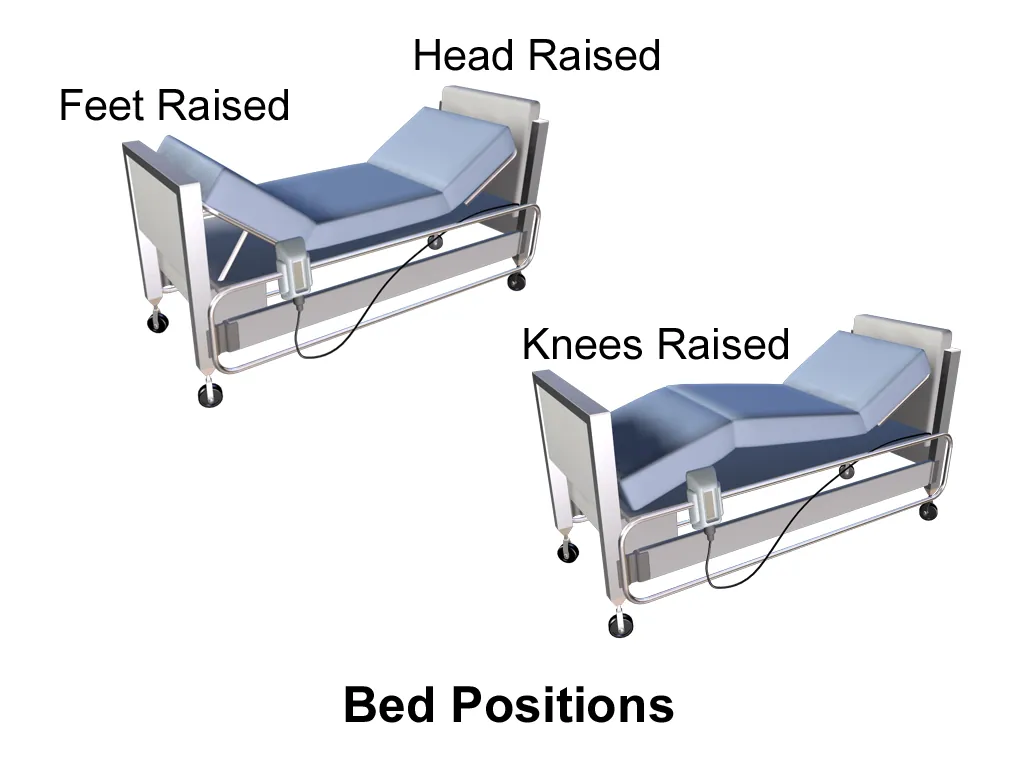
A home hospital bed, sometimes called a home care bed or adjustable bed, is designed so that the height and the angle of different sections can be changed. It is often recommended when someone spends a lot of time in bed, needs help to get in and out, or is being cared for at home after a hospital stay. Like any significant piece of equipment, it should be chosen with a professional who knows the person's needs.
What adjusts
Most beds raise the head section for sitting up, raise the knee section to stop sliding down, and change the overall height. Some can tilt the whole bed. Adjustments are made by hand cranks on manual beds, by motors on electric beds, or by a mix of both on semi-electric models.
Why height matters
A bed that rises to a comfortable working height protects carers' backs during washing, dressing and repositioning. A bed that lowers close to the floor makes getting in and out easier for the person using it and reduces the distance of any fall. Being able to do both is one of the main benefits over an ordinary bed.
Side rails
Rails can help someone turn or feel secure, but they can also create risks, including entrapment in gaps or climbing over them. Whether to use rails, and which type, is a decision to make with a clinician; it is not a default.
Mattresses
Home care beds use mattresses that flex with the frame. For people who spend long periods in bed, pressure care becomes important, and specialist mattresses exist for this purpose. Ask a nurse or therapist which type is appropriate rather than choosing on comfort alone.
Making room
A care bed is usually longer and heavier than a domestic single bed. Plan for space on both sides for carers, room for a commode, wheelchair or hoist if needed, and a power socket nearby for electric models. Some families move the bed downstairs to a living room for a time so the person stays part of daily life.
Living with it
Keep the controls within reach, learn how to lower the bed in a power cut on electric models, and keep the brakes on the castors engaged. The page on preparing the home after a hospital stay covers the wider picture.